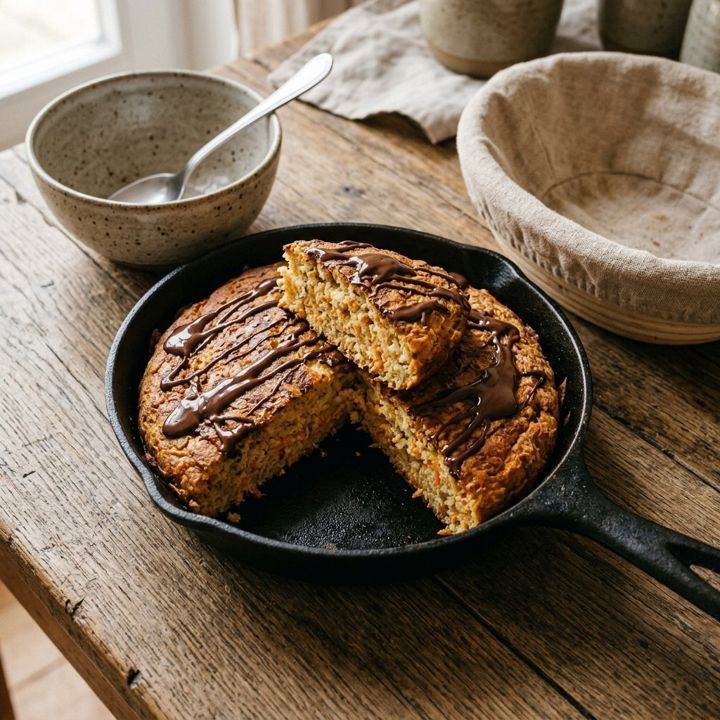
Of which 14.8 g sugars and 3.1 g saturated fat.
No-added-sugar version: 338 kcal and 13.7 g sugars per serving.
Values are for the first option listed in the ingredients; substitutions and variations change them. Carbs exclude fiber; energy uses the EU conversion factors (fiber at 2 kcal/g). Source for sugars and saturated fat: Portuguese Food Composition Database (Base de Dados da Composição de Alimentos), Instituto Nacional de Saúde Doutor Ricardo Jorge, I. P. — INSA, v 7.1 - 2026.
Quantities and times are a starting point: adjust them to your taste. Two things don't change: poultry and ground meat must be cooked all the way through, and allergens — always check the labels.
Highlights Potassium (banana) · Calcium (cottage cheese) · Protein (cottage cheese)
Allergens gluten (oats), egg, milk
Carrot oat skillet cake
Cooked in a skillet, it tastes like carrot cake.
Ingredients
- 1 banana (118 g / 4 oz)
- 1 carrot (61 g / 2¼ oz)
- 1 egg (50 g / 1¾ oz)
- 70 g (2½ oz) cottage cheese (or low-fat Greek yogurt)
- 50 g (1¾ oz) cookie-flavored oat flour (or plain)
- 50 g (1¾ oz) protein powder — or 50 g oat flour + sugar to taste
- ground cinnamon, to taste
- 1 square 85% dark chocolate (5 g) — no added sugar: sugar-free 85% dark chocolate
- olive oil, for greasing
Method
- Blend the banana, carrot and cottage cheese until smooth and creamy.
- Transfer to a bowl and add the egg, oat flour, protein powder and cinnamon. Mix well.
The full method (7 steps), Rico's tip, the variations and storage are in the ebook “High Protein”. The English edition is coming soon.
More like this
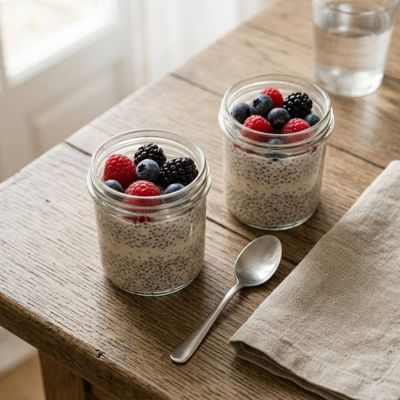
Almond chia pudding
Make it at night, wake up to breakfast ready
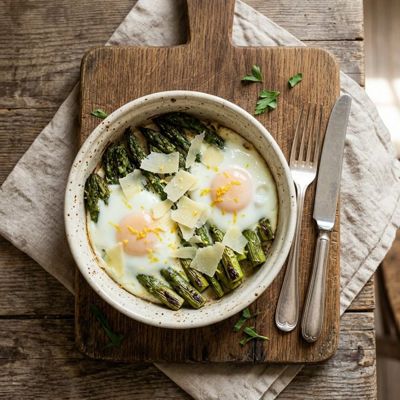
Eggs with asparagus and Parmesan
A knife-and-fork breakfast, ready in 17 minutes.
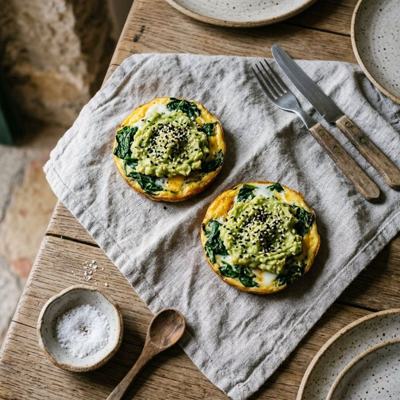
Spinach and avocado egg cups
Sunday brunch ready in 25 minutes, creamy and not fried.