Of which 4.3 g sugars and 7.2 g saturated fat.
Values are for the first option listed in the ingredients; substitutions and variations change them. Carbs exclude fiber; energy uses the EU conversion factors (fiber at 2 kcal/g). Source for sugars and saturated fat: Portuguese Food Composition Database (Base de Dados da Composição de Alimentos), Instituto Nacional de Saúde Doutor Ricardo Jorge, I. P. — INSA, v 7.1 - 2026.
Quantities and times are a starting point: adjust them to your taste. Two things don't change: poultry and ground meat must be cooked all the way through, and allergens — always check the labels.
Highlights Pecorino, toasted pepper, emulsion with no added fat
Allergens gluten, milk
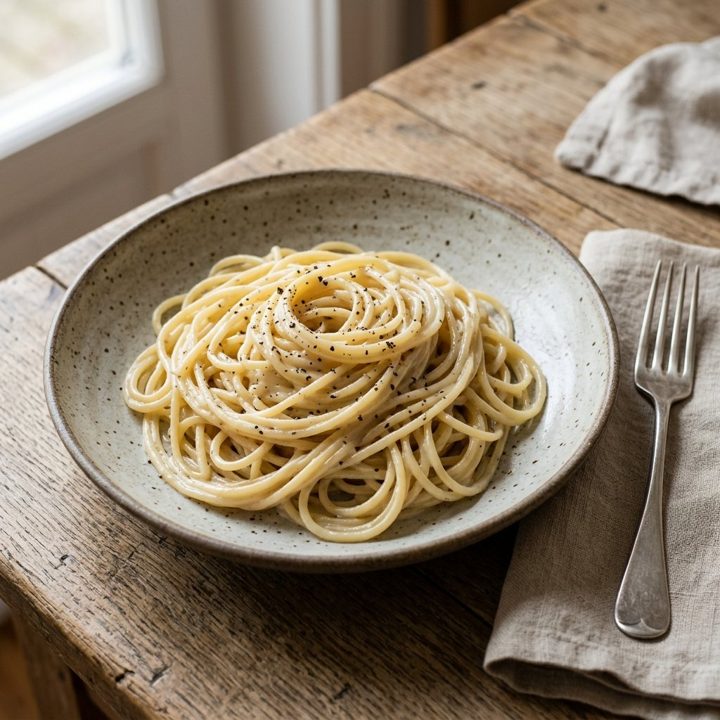
Spaghetti cacio e pepe
Pecorino and black pepper
Sheep's milk cheese and pepper turn into a pale sauce that clings to the spaghetti. This classic from Lazio asks for few ingredients and careful technique. This version uses dried pasta; fresh tonnarelli are another well-known regional choice.
Ingredients
- 180 g (6½ oz) dried spaghetti
- 80 g (2¾ oz) Pecorino Romano
- 2 g black pepper
- water and coarse salt for cooking the pasta, as needed
Method
- Grate the Pecorino very finely. Set aside 5 g for finishing and put 75 g in a large bowl, without packing it down.
- Coarsely crush the pepper in a mortar, or set the mill to a medium grind. Avoid a very fine powder, which burns faster.
The full method (12 steps), Rico's tip, the variations and storage are in the ebook “Pasta”. The English edition is coming soon.
More like this
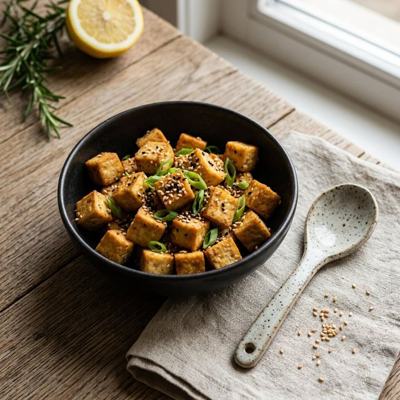
Crispy sesame ginger tofu
Golden cubes, crisp outside and tender inside, with no deep-frying.
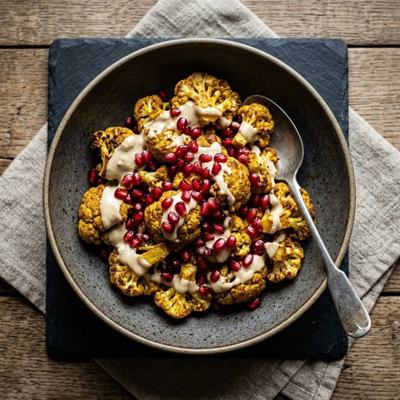
Roasted cauliflower with tahini and pomegranate
A Middle Eastern-inspired dish, ready without dirtying the oven.
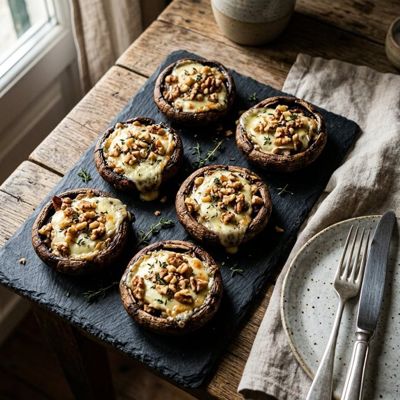
Stuffed mushrooms with goat cheese and walnuts
A quick appetizer that looks restaurant-made, ready in 22 minutes.